
A single-room remodel forgives a scheduling error. A whole-house renovation does not, because every trade is waiting on the one before it and a slipped week compounds down the chain.
The order is not negotiable, and it is the reason a whole-home project is a different discipline rather than several small projects run at once: demolition, then structural and framing changes, then the rough-in of plumbing, electrical and any mechanical work, then inspection, then insulation and drywall, then flooring, then cabinetry and fixtures, then trim and paint, then final fixtures and appliances.
Two of those steps hold up everything after them. Rough-in inspection has to pass before walls close, and if it fails, nothing downstream moves. Cabinet delivery is the longest lead item in the house, with full custom commonly running eight to twelve weeks and sometimes reaching sixteen, and everything dimensioned around cabinetry waits for it.
We build the schedule backwards from those two, then forwards from demolition, and we tell you where the pressure points are before you sign rather than when you hit them.
There is a real choice at the start, and it changes the price, the timeline and where you sleep.

Everything comes out, all trades run in sequence, and the house is finished as one project. It is faster overall, cheaper per room, and produces a coherent result, but the house is uninhabitable while it happens.

Rooms are completed in sequence over a longer period, so you can stay in the house. It costs more per room because trades return multiple times, the total duration is longer, and the finishes need deliberate coordination so the last room still matches the first.
Neither is the right answer universally. Which one fits depends on whether you can move out, what your budget shape looks like, and how long you can live with an active jobsite. We ask that question at the estimate, before scope, because everything else follows from it.
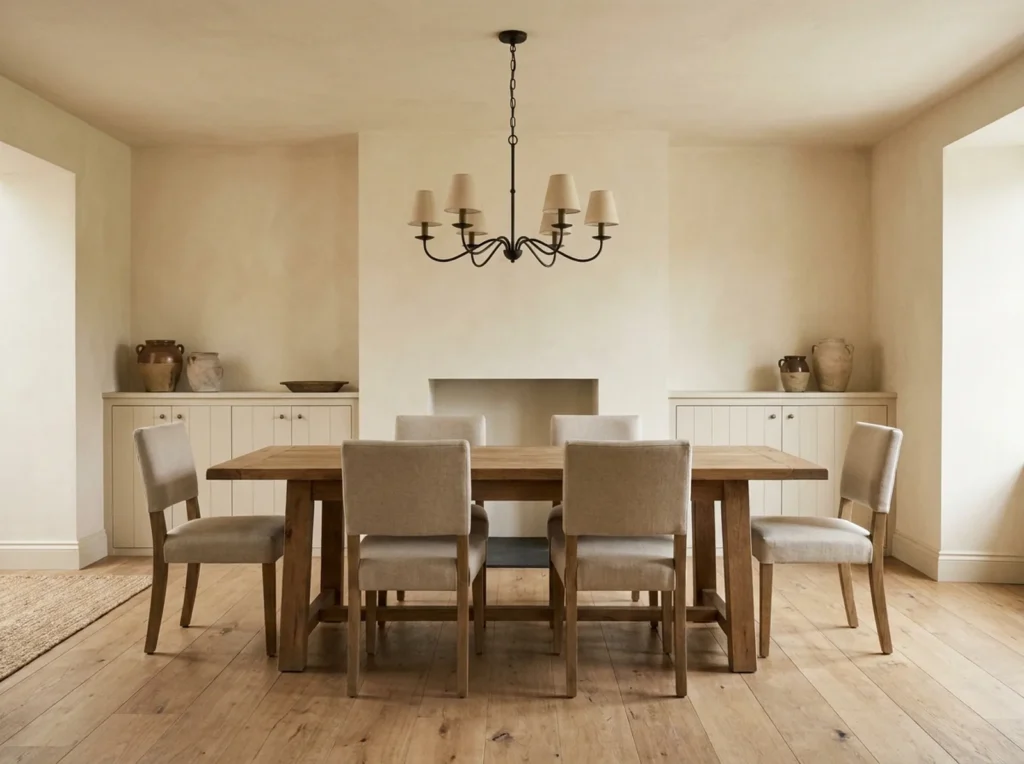
Down to the studs throughout, systems and finishes rebuilt. The largest scope, run as one sequence.
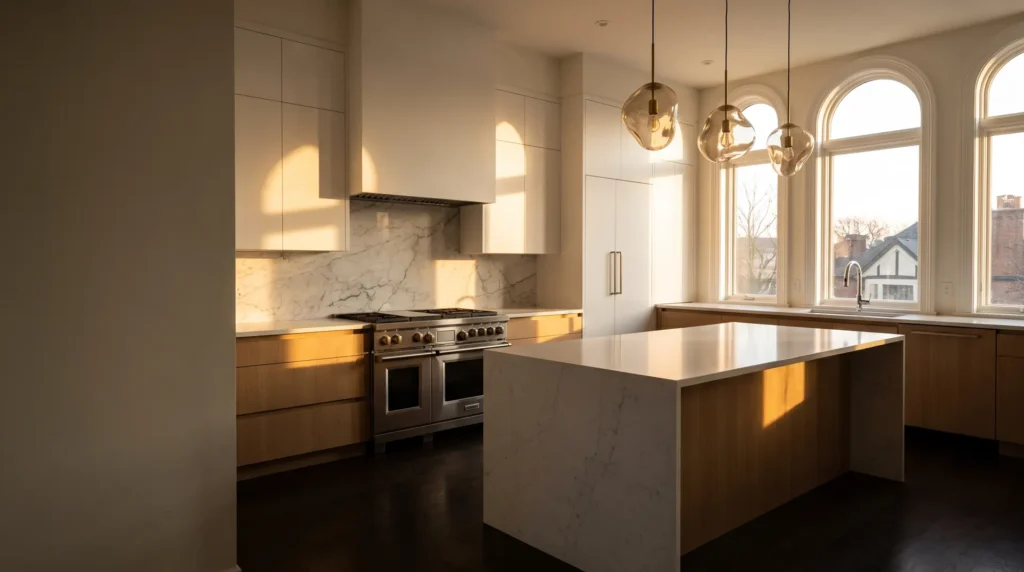
Two or more connected rooms, typically kitchen plus living space or an entire floor, where the sequencing discipline of a full renovation applies at smaller scale.
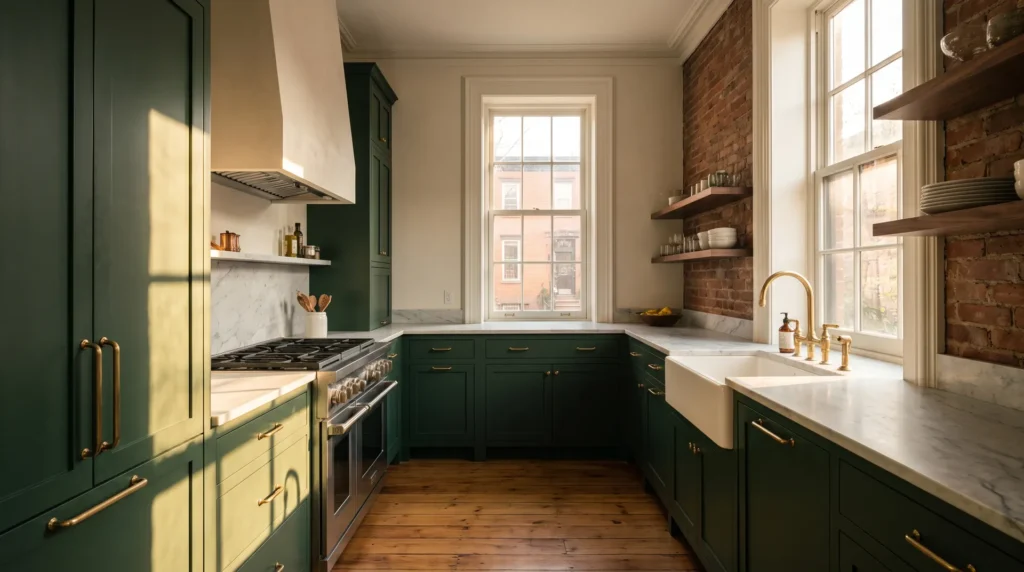
In an apartment building the alteration agreement governs before the building code does, and board approval sits ahead of the DOB filing. See our bathroom remodeling in Queens page for how that process works.
We want to hear about your project!
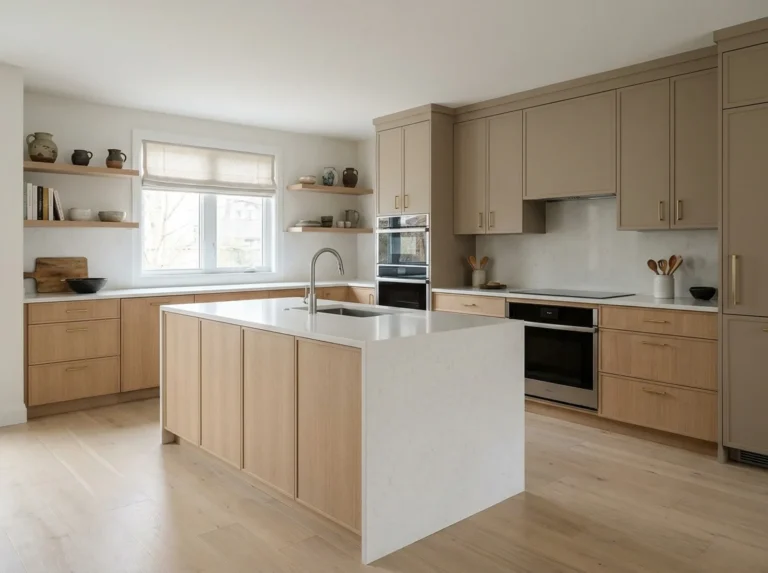
We conduct an on-site consultation for an initial fee starting at $300, depending on the size and scope of your project.

In this phase, we provide you a professional design for your project so you can visualize your ideas.

Not a different contact per trade, and not a project manager who has never been on the site.
Rough-in inspection and cabinet lead time, identified before you sign rather than when you hit them.
Because strip-and-rebuild versus phased changes the price, the duration and the plan, and it should be a decision rather than a default.
NYC DCWP #2132-535-DCWP and Westchester County #WC-39446-H20-25, published in full.
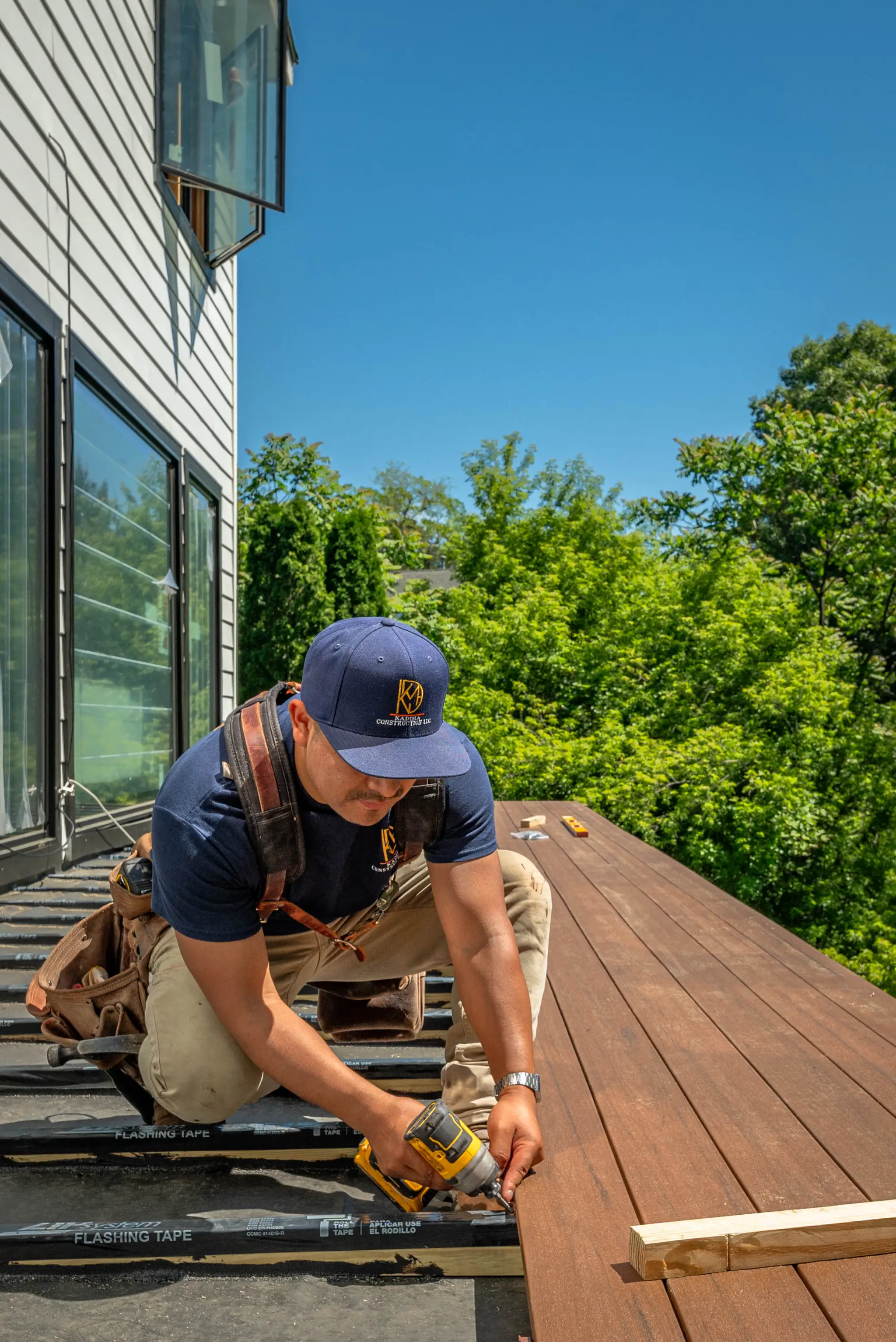
One crew lead runs your project from demolition to final walk-through. Every trade, from plumbing to tile to finish carpentry, is coordinated through us, on our schedule, held to our quality standard. You never have to coordinate between separate companies.