
Containment goes up before the first cut, not after the dust is everywhere. It is the difference between living in your home during the work and moving out of it.


Drywall work produces the finest, most invasive dust in construction. It travels through an open door in seconds and settles in places you find months later.
We treat containment as part of the job rather than a courtesy: plastic and zippered barriers up before demolition begins, floor protection through the path the crew walks, and the site swept and cleared at the end of every working day. Most of our clients stay in their homes through the work, and the plan assumes that.
This matters more in an occupied apartment than in an empty house, which is why we set it up the same way regardless of which one you have.
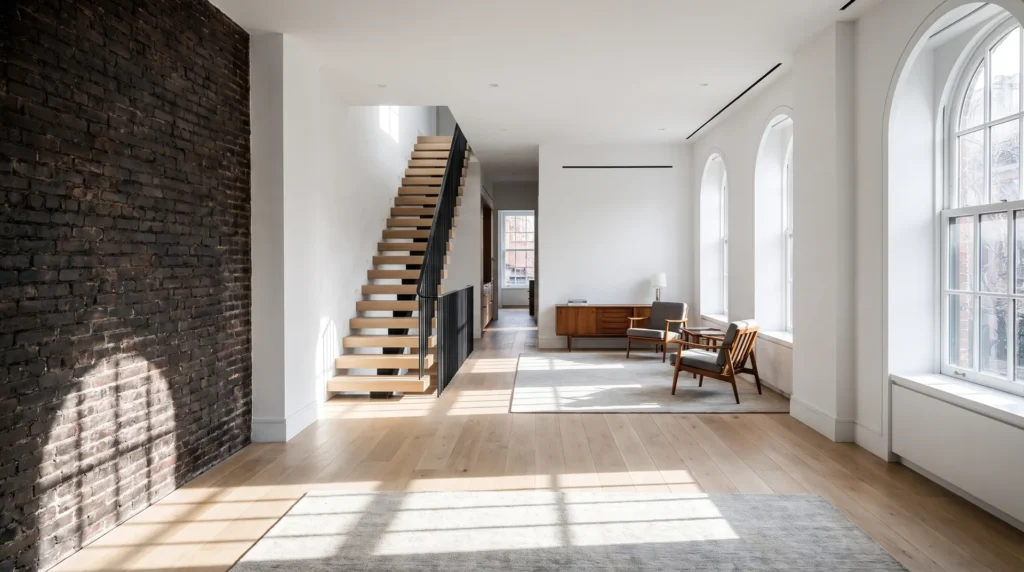
In pre-war Queens buildings and the county's older river-village homes, the walls are plaster over lath rather than gypsum board, and they behave differently in every respect that matters.
Plaster is harder, heavier and more brittle. Cutting into it produces more debris and often reveals cracked or detached keys behind the surface. A patch that is simply drywall dropped into a plaster wall will telegraph at the seam within a season, because the two materials move differently.
The right repair depends on how much of the surrounding plaster is sound. Sometimes it is a genuine plaster repair, sometimes it is a properly detailed transition to board, and sometimes the honest answer is that the whole wall is better rebuilt than patched. We tell you which at the estimate rather than after we open it.
Postwar houses built inland from the 1950s onward are typically gypsum board throughout, where repairs are straightforward and the challenge is texture matching rather than material behavior.
New walls and ceilings hung, taped and finished, ready for paint. Part of any larger renovation or as its own scope.
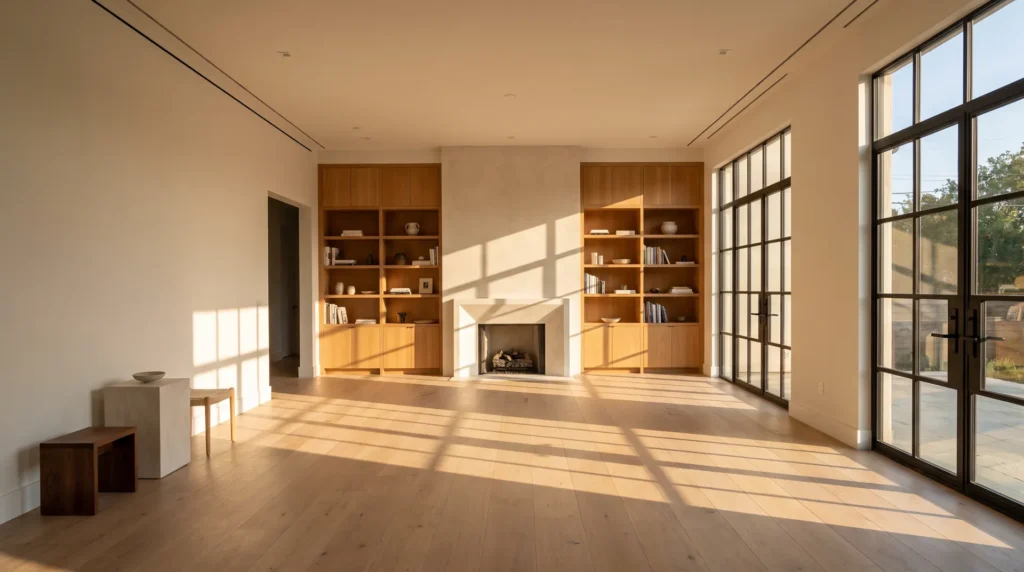
Cracks, holes, water damage and failed previous patches, matched to the existing surface rather than approximated.
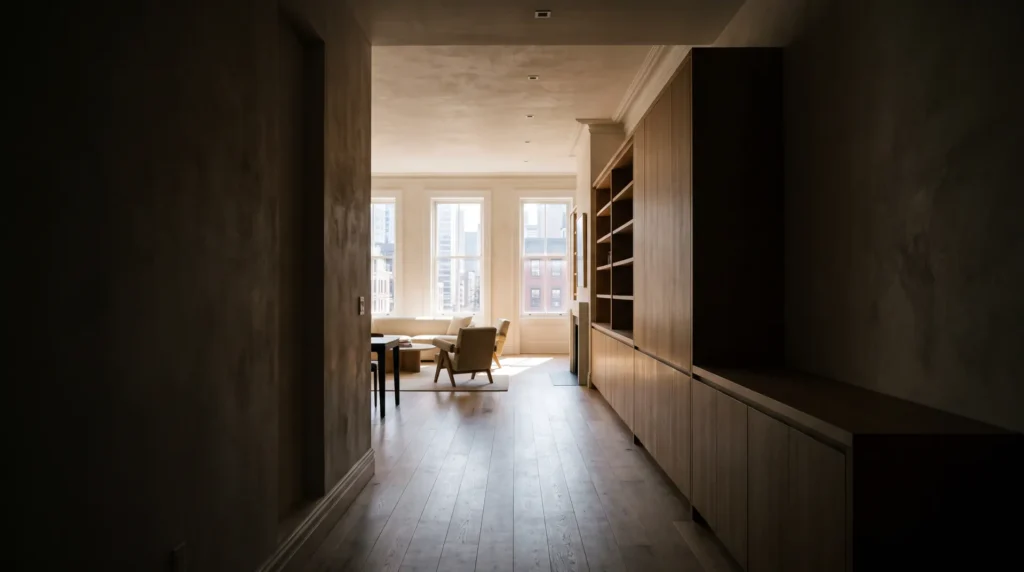
Ceilings are the least forgiving surface in a house because raking light shows everything. Repaired or replaced with the finish level agreed before we start.
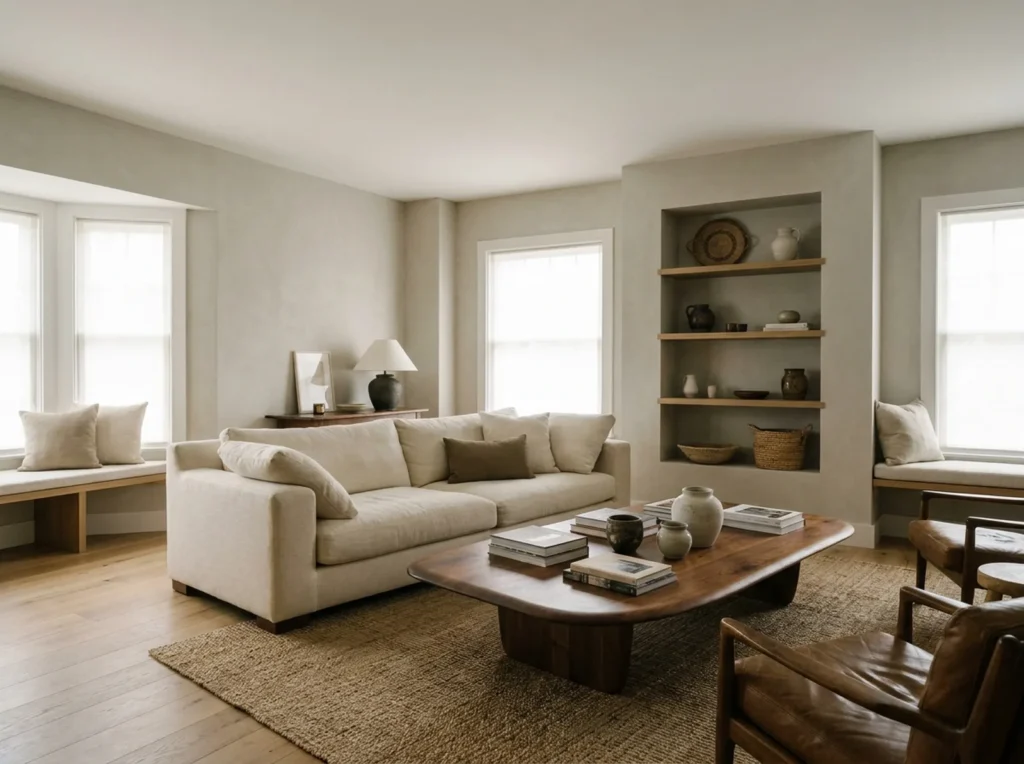
Walls, ceilings and trim, with preparation weighted properly. The sanding and priming is where the finish is actually decided.
We look at what the walls actually are, assess the extent of any damage, and agree a finish level: written scope and price. Containment, floor protection and masking before any demolition or sanding starts. Hang, tape, finish, prime and paint in sequence, with drying time respected rather than compressed, and the site cleared daily. We check the surfaces under raking light with you, which is the only honest way to inspect a wall, and complete the punch list.
A major renovation shouldn't disrupt your daily life. We focus on clear communication, clean jobsites, and straightforward honesty from day one. Our process is built to respect your time and get the job done right, so you can start enjoying your newly transformed home as soon as possible.
We want to hear about your project!

We conduct an on-site consultation for an initial fee starting at $300, depending on the size and scope of your project.
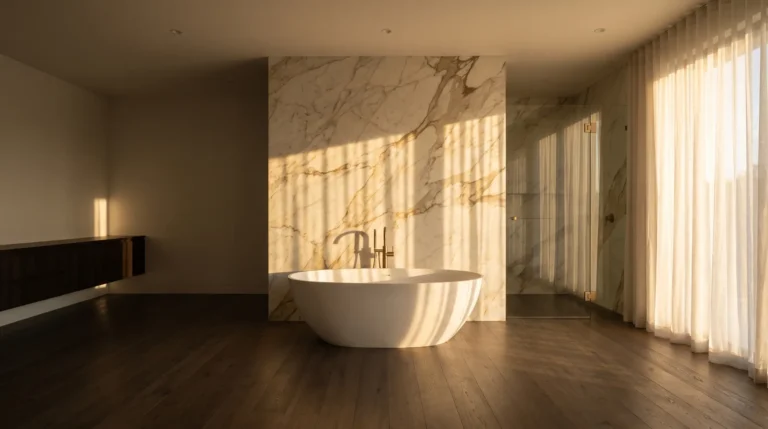
In this phase, we provide you a professional design for your project so you can visualize your ideas.
We work across Queens, Westchester County and the Bronx, plus surrounding areas within roughly 60 miles.

Not after the dust has already travelled.
And we price the repair for the material that is actually there.
Sanding, priming and drying time decide how a wall looks in two years, not the paint brand.
One crew lead runs your project from demolition to final walk-through. Every trade, from plumbing to tile to finish carpentry, is coordinated through us, on our schedule, held to our quality standard. You never have to coordinate between separate companies.
A standalone drywall or painting scope runs one to two weeks in most cases, depending on the area and the finish level agreed. Containment goes up before demolition and comes down at the end, and both sit inside that window rather than adding to it. Work that forms part of a larger renovation is sequenced inside that project's schedule instead.
Plaster can usually be repaired, and whether it should be depends on how much of the surrounding surface is still sound. Plaster over lath is harder and more brittle than gypsum board and moves differently, so dropping a drywall patch into a plaster wall tends to telegraph at the seam within a season. We assess the extent of failure at the estimate and tell you honestly whether a repair, a detailed transition, or a rebuilt wall is the right call.
Containment goes up before demolition, not after. Plastic and zippered barriers seal the work area, floor protection runs the length of the crew's path, and the site is swept and cleared at the end of every working day. Drywall dust is the finest produced in construction and travels through an open door in seconds, so the barrier has to exist before the first cut rather than in response to the mess.
Usually not. Most of our clients stay in their homes throughout, and the containment plan is built around that assumption rather than treating occupancy as an exception. Larger whole-house work is a different conversation, and we will tell you at the estimate if we think the scope makes staying impractical.
Because ceilings are the least forgiving surface in a house. Raking light from windows and fixtures reveals every imperfection that a wall would hide, so the finishing standard is higher and the labour to reach it is greater. Working overhead is also slower. We agree the finish level before starting rather than discovering a mismatch at the walk-through.
In most cases yes, and it is worth doing rather than settling for close. Postwar homes often have a specific texture applied across whole rooms, and an unmatched patch reads as a repair forever. We sample and match before finishing the full area, and we will tell you at the estimate if an unusual or historic texture needs specialist work.
Yes. Interior painting is available as its own scope. The preparation still carries the same weight, because sanding, patching and priming decide the finish far more than the paint itself does. We will tell you if a surface needs repair before it can take paint properly rather than painting over a problem.
Tell us which rooms and we will look at what the walls actually are before pricing the work.