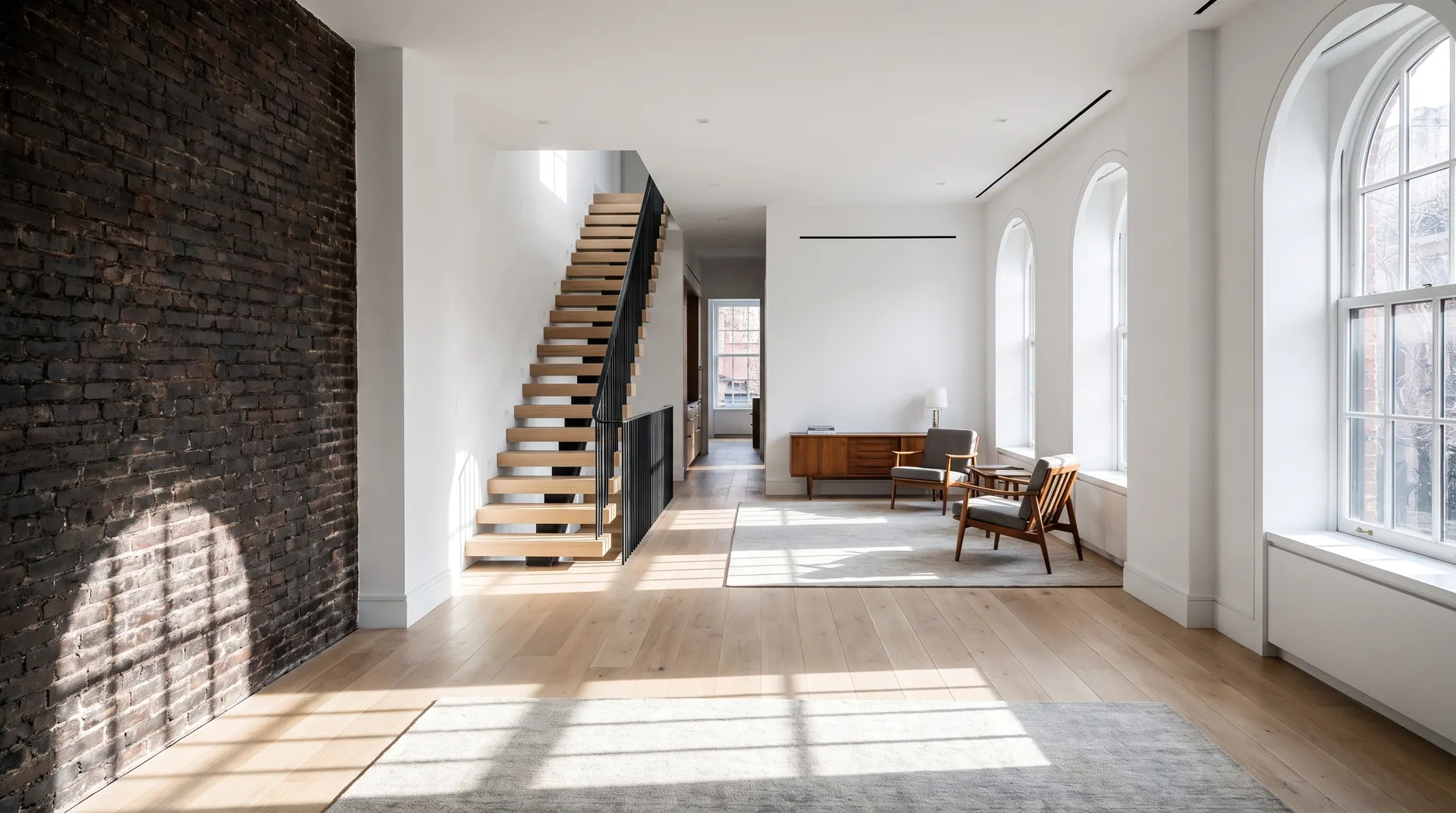
The Village permits work that would need no filing at all in New York City. We know that before we quote, and we file before we demolish.

Bronxville is a small village with a specific rulebook, and the thing that surprises most homeowners is how much of it applies to work they assumed was cosmetic.
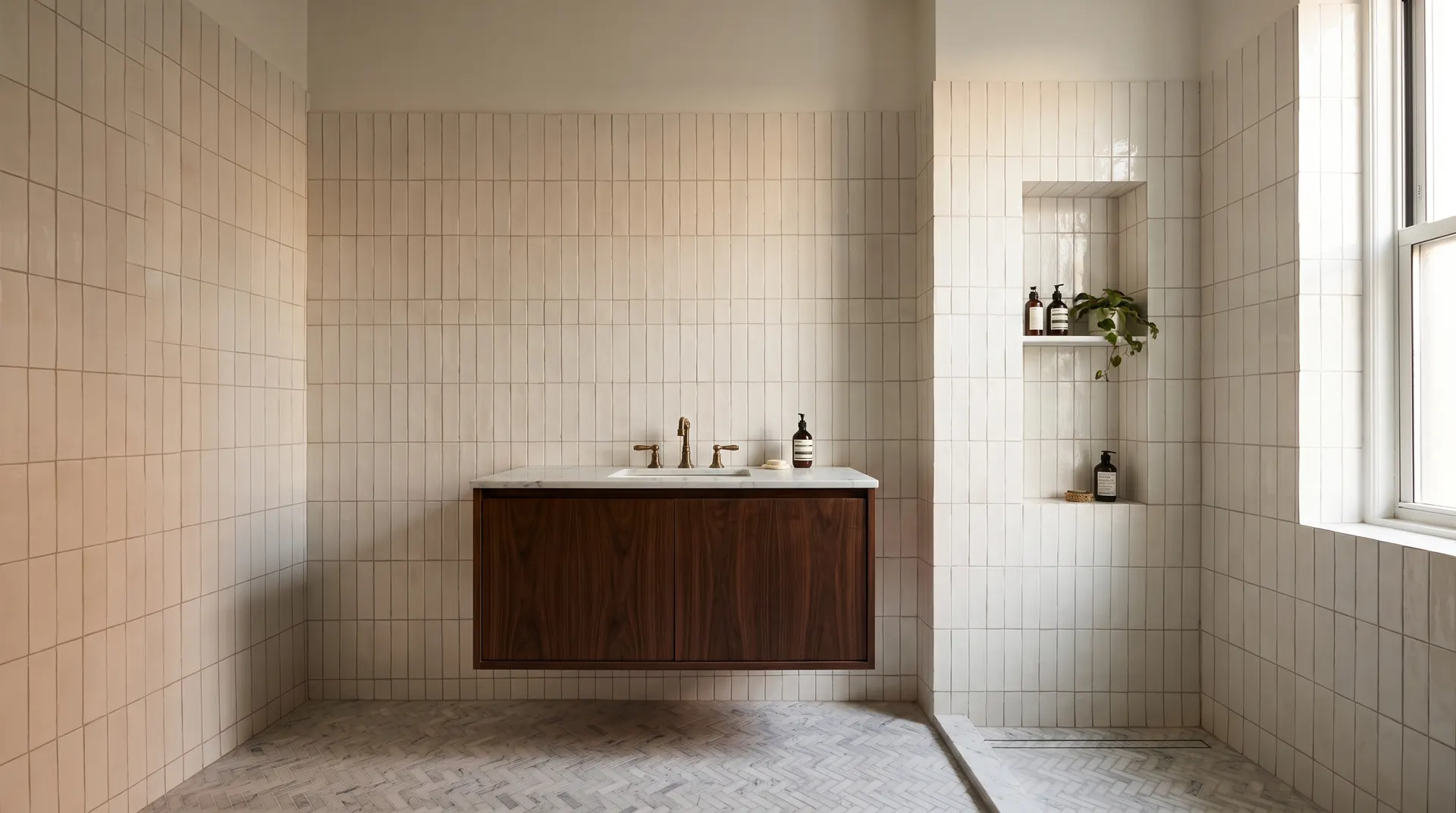
The Village Building Department's guidance is explicit: any alteration or replacement of cabinetry, countertops, sinks, tile or fixtures requires a building permit. That covers work many contractors treat as a like-for-like swap, and a crew assuming New York City rules will either stop mid-job or finish unpermitted. The second of those surfaces when you sell.
on a complete application. That window sits ahead of the build, not inside it. The Village also advises having subcontractors file their own paperwork while the main review is already underway rather than sequentially afterward. Filed in parallel those reviews overlap, filed in sequence they add weeks.
The Building Department can be reached directly at 914-337-7338 if you want to confirm any of this independently.

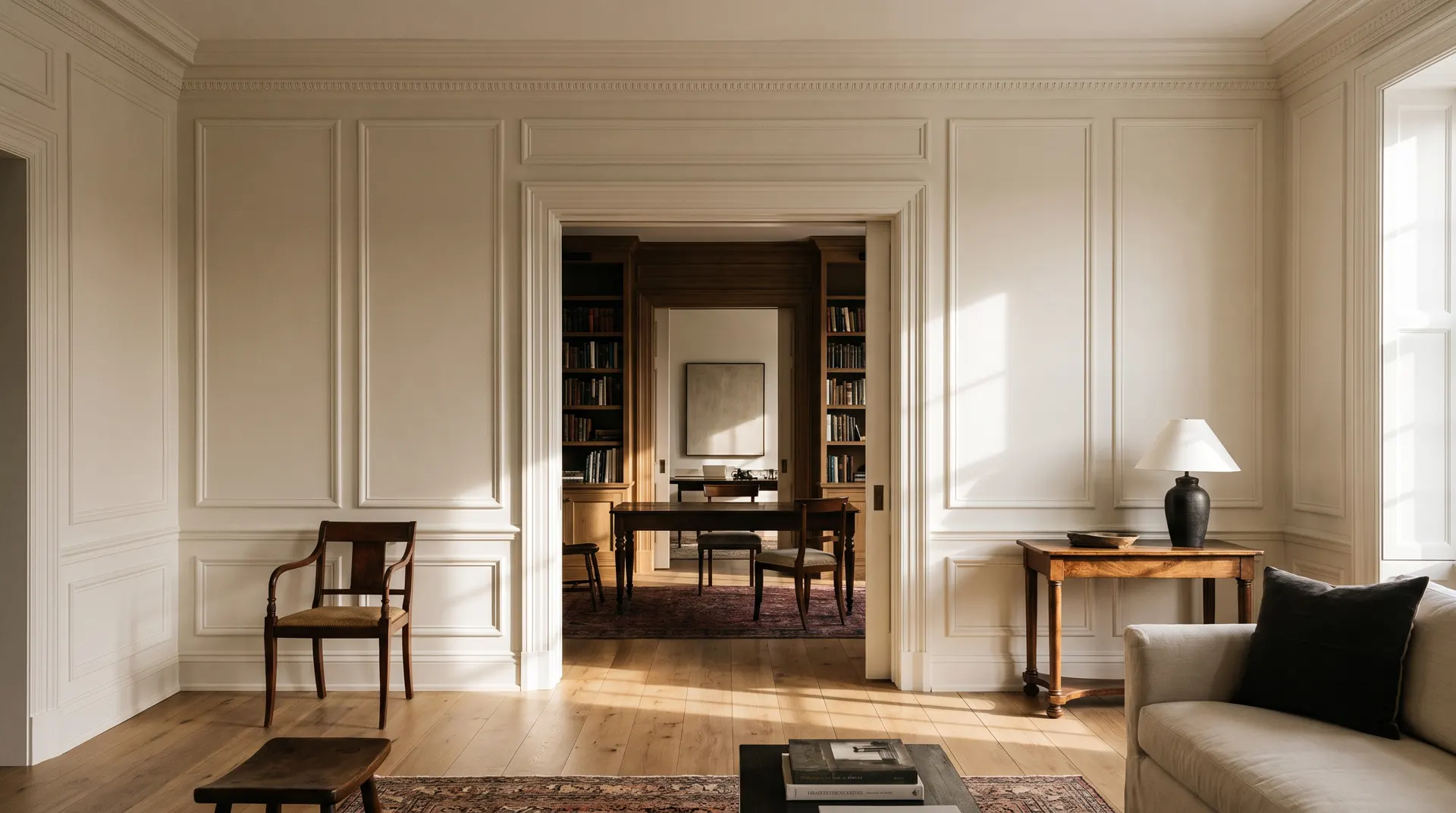
This is a pre-war village. Tudor Revival, Colonial Revival, Shingle Style, French Norman and Cotswold homes, most built between the 1890s and the 1930s, on compact lots. Behind the finishes that generally means plaster over lath, cast-iron waste lines, and room dimensions drawn for a different century.
Lawrence Park is the most concentrated example: a National Register-listed district of roughly ninety-eight structures dating to the 1890s, many designed by architect William A. Bates. Homes here carry the highest median value in Westchester County, around $2.24 million, which sets the finish expectation accordingly.
Demolition in these houses is slower and reveals more than in postwar construction. We price for that rather than around it.
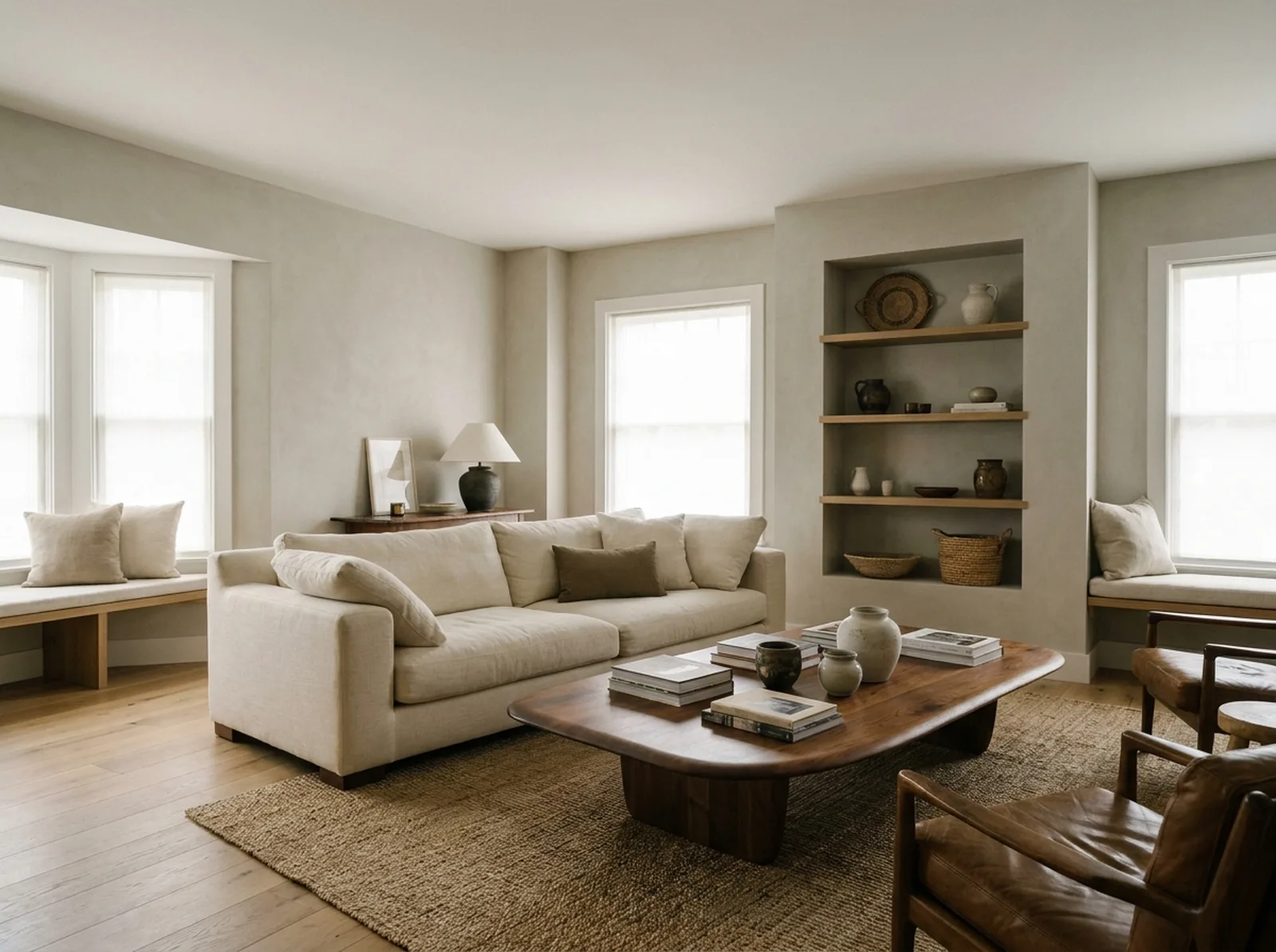
The Village permit goes in at the scope stage, with subcontractor filings running in parallel rather than after.
Plaster, cast iron and undersized supply lines are planned for at the estimate.
#WC-39446-H20-25, verifiable with the Department of Consumer Protection at (914) 995-2155.
One crew lead runs your project from demolition to final walk-through. Every trade, from plumbing to tile to finish carpentry, is coordinated through us, on our schedule, held to our quality standard. You never have to coordinate between separate companies.
For most interior work, yes. The Village requires a building permit for the alteration or replacement of cabinetry, countertops, sinks, tile and fixtures, which is a lower threshold than New York City applies to comparable work. Electrical modifications carry their own permit requirement. We file on your behalf as part of the scope, before demolition begins.
About three to four weeks on a complete application. That window sits ahead of the build rather than inside it, so it is planned into the completion date from the start. The Village advises having subcontractors file while the main review is already underway. Run in parallel, those reviews overlap, run in sequence they add weeks to your finish date.
Yes, throughout the Village including its historic areas. Lawrence Park is a National Register-listed district of roughly ninety-eight structures dating to the 1890s, with Tudor and Colonial Revival homes many designed by architect William A. Bates. Interior work is primarily a question of what the existing structure and plaster will accommodate. We confirm with the Village Building Department whether additional review applies to interior work inside the district before design begins.
Yes. Kadima Construction holds Westchester County home improvement license #WC-39446-H20-25, which governs home improvement work throughout the county including the Village, and carries $1,000,000 in general liability insurance. Verify it with the Department of Consumer Protection at (914) 995-2155, or check for the green license sticker required on the rear bumper of a licensed contractor's vehicle.
Plaster over lath instead of drywall, original cast-iron and galvanized plumbing, and rooms sized for expectations from a century ago. Demolition is slower and dustier, supply lines frequently need replacing once opened, and gaining usable space usually means borrowing from an adjacent closet rather than moving a wall. We assume all three at the estimate rather than pricing around them.
Tell us which room and we will measure it, walk the permit scope with you, and give you a written price.